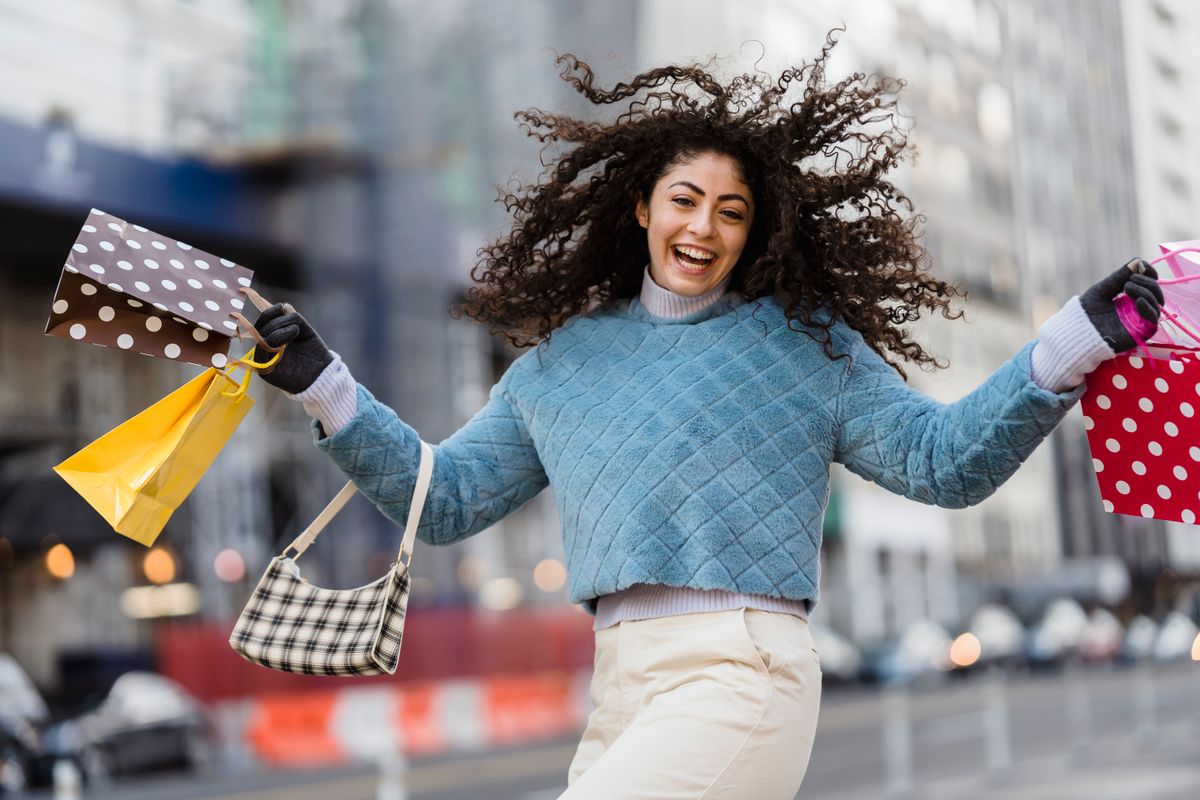
Plant-based apparel brands are discovering a hard truth: the content that converts best isn’t the polished studio shot anymore — it’s the slightly imperfect, scroll-stopping video of a real person pulling on a hoodie in their kitchen. User-generated content, or UGC, has become the currency of trust in fashion marketing, and for wellness-adjacent brands selling everything from compression leggings to hemp tees, the demand for this kind of authentic visual proof is outpacing most teams’ ability to produce it. That’s where artificial intelligence is quietly rewriting the production playbook.
Why UGC Became Non-Negotiable
Consumers have grown numb to traditional advertising. Studies cited widely across the industry suggest UGC-driven ads can see click-through rates 4 to 5 times higher than standard brand creative, and conversion lifts of 20% or more are common when product pages include authentic customer imagery alongside professional shots. For plant-based lifestyle brands, where trust and transparency are part of the value proposition, this matters even more. Shoppers researching a sustainably dyed organic cotton tee want to see it on a body that looks like theirs, in lighting that looks real, not retouched.
The problem has always been volume. A single UGC-style campaign might require dozens of variations — different models, different settings, different garment colorways — and sourcing real creators for each one can cost anywhere from $150 to $500 per piece of content when working through influencer marketplaces. For a brand launching ten SKUs a month, that math breaks fast.
Where AI Fits Into the Workflow
AI-generated and AI-assisted content doesn’t replace real customer testimonials, but it fills the enormous gap between “zero content” and “enough content to actually test.” Brands are now using AI mockup and generation tools to produce the baseline visual assets — product-on-model imagery, lifestyle contexts, and variations — at a fraction of the cost and time of a traditional photoshoot.
- A traditional apparel photoshoot with a model, photographer, stylist, and studio rental can run $2,000 to $8,000 for a single day’s output of maybe 15-20 usable images.
- AI mockup generation tools can produce comparable starting assets in minutes, often for free or for a few dollars per image, which teams then layer into ad creative, product pages, and social content.
- This doesn’t eliminate the need for real UGC entirely — it accelerates the iteration cycle so brands know which concepts are worth paying real creators to recreate.
For apparel-specific brands, tools like PixelPanda’s free AI t-shirt mockup generator with real-looking models have become a practical starting point. Instead of waiting on a studio booking to see how a new design looks worn, teams can upload artwork and generate realistic on-model imagery immediately — useful for early-stage A/B testing of designs before committing real photography budget to the winners.
A Practical Workflow That’s Emerging
Marketing teams at mid-size apparel brands describe a layered approach rather than an all-or-nothing switch to AI. A typical cycle looks like this:
- Concept testing: Generate AI mockups of 5-10 design variations to gauge early reaction via paid social testing, before investing in physical samples.
- Content gap-filling: Use AI-generated model imagery for product pages and smaller SKUs that wouldn’t otherwise justify a dedicated shoot budget.
- Real UGC amplification: Once organic customer content starts coming in, use it as the hero creative, supplementing with AI-generated variations to keep ad fatigue at bay — a known problem when the same 3-4 UGC clips get recycled across every campaign.
This hybrid model has been covered in depth by Clever Fashion Media, which has tracked how fashion brands are blending synthetic and authentic content without alienating audiences that are increasingly savvy about spotting AI-generated imagery. The consensus emerging from that coverage is clear: transparency matters. Brands that label AI-assisted content appropriately and reserve genuine testimonials for trust-critical placements — like reviews and checkout pages — see better long-term engagement than those trying to pass synthetic content off as organic.
Cost Comparison: The Real Numbers
For a plant-based apparel brand running a modest content calendar, the math tends to favor a blended approach decisively:
- Fully traditional UGC sourcing for 20 pieces of monthly content: $3,000–$10,000, with 2-3 week turnaround times.
- AI-assisted mockup generation for the same volume: often under $200/month using free or low-cost tools, with same-day turnaround.
- Hybrid model (AI for testing and volume, real creators for hero content): typically $1,200–$2,500/month, balancing authenticity with scale.
The time savings may matter more than the dollar savings. Brands testing new product drops weekly simply can’t wait on creator schedules for every variation — AI tools compress a multi-day turnaround into an afternoon.
What This Means for Smaller Brands
Perhaps the most significant shift is democratization. Independent and emerging plant-based apparel labels — the kind selling through Shopify rather than wholesale distribution — now have access to visual content quality that was previously reserved for brands with real production budgets. A founder running a one-person operation can generate realist