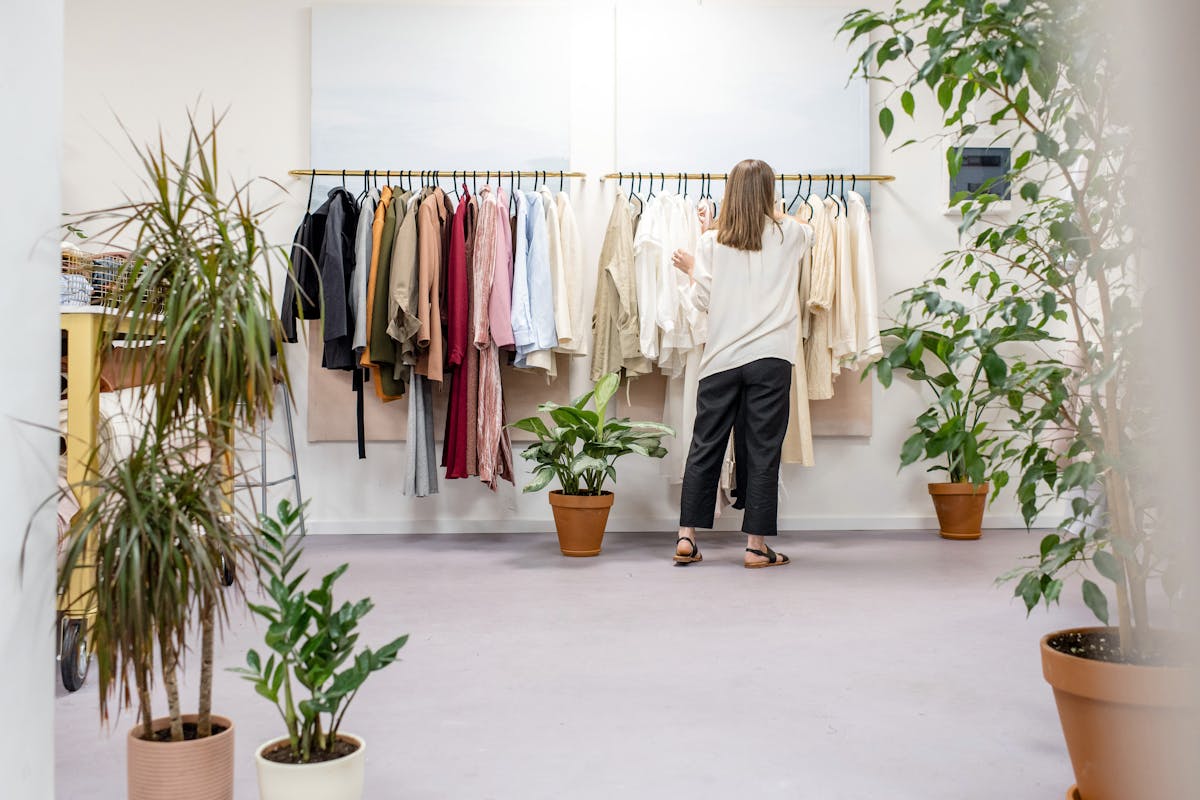
The fashion industry has embraced artificial intelligence with remarkable speed, transforming how brands conceptualize, create, and present their collections. AI-powered lookbooks are emerging as a cost-effective alternative to traditional photography shoots, which can cost fashion brands anywhere from $15,000 to $100,000 per campaign. By leveraging machine learning algorithms and generative design tools, brands can now produce compelling visual narratives that rival conventional photography at a fraction of the cost and time investment.
Understanding AI-Powered Fashion Lookbooks
An AI-generated lookbook combines computer vision, machine learning, and generative imagery to create cohesive visual presentations of fashion collections. Unlike traditional lookbooks that require models, photographers, stylists, and elaborate set designs, AI lookbooks can be produced entirely through digital processes. Major brands like H&M and Zara have already begun experimenting with AI-generated campaign imagery, reporting production time reductions of up to 75% compared to conventional shoots.
The technology works by training algorithms on vast datasets of fashion imagery, enabling them to understand style principles, color harmony, and composition rules. These systems can then generate new images that maintain brand aesthetic consistency while offering infinite creative possibilities.
Essential Tools and Platforms
Image Generation Platforms
Several specialized platforms cater specifically to fashion brands seeking AI-generated content. Midjourney and DALL-E 2 lead the market for high-quality fashion imagery, with subscription costs ranging from $10 to $60 monthly. These platforms excel at creating photorealistic models wearing specific garments in various settings and poses.
For brands focusing on product photography, tools that help analyze your product photos with AI can provide valuable insights into composition, lighting, and styling before generating new variations. This analysis ensures consistency across the entire lookbook while maintaining professional photography standards.
Specialized Fashion AI Tools
Platforms like Designovel and The New Black offer fashion-specific AI capabilities, including virtual model generation and garment visualization. These tools understand fashion terminology and can interpret style briefs more accurately than general-purpose AI generators. Pricing typically ranges from $99 to $500 monthly, depending on usage volume and features.
Strategic Planning and Creative Direction
Successful AI lookbooks require meticulous planning and clear creative vision. Begin by establishing a comprehensive style guide that includes color palettes, mood references, and specific aesthetic directions. AI systems excel when provided with detailed prompts, so investing time in prompt engineering yields significantly better results.
Consider creating a mood board with 20-30 reference images that capture your desired aesthetic. These references should include lighting styles, model poses, backgrounds, and overall atmosphere. The more specific your visual references, the more consistent your AI-generated results will be across the entire lookbook.
Brand Consistency Protocols
Maintaining brand consistency across AI-generated imagery requires establishing clear parameters for model characteristics, styling elements, and environmental settings. Document specific prompt formulas that produce on-brand results, creating a repeatable process for future campaigns. Leading fashion brands typically maintain prompt libraries containing 50-100 tested formulas for different campaign needs.
Production Workflow and Best Practices
An efficient AI lookbook production workflow typically spans 2-3 weeks, compared to 6-8 weeks for traditional photography campaigns. Start by generating multiple variations of each key look, producing 5-10 options per garment to ensure optimal selection. Most successful campaigns generate approximately 200-300 initial images to select 30-50 final lookbook images.
Quality control becomes crucial during the generation phase. Establish clear criteria for image acceptance, including technical specifications like resolution requirements (minimum 2048×2048 pixels for print applications) and aesthetic standards for lighting, composition, and model presentation.
Post-Production Enhancement
While AI-generated imagery has improved dramatically, post-production refinement often enhances final results. Focus on color correction, background consistency, and minor detail adjustments. Budget approximately 2-3 hours of post-production work per final image, significantly less than traditional retouching requirements.
Legal and Ethical Considerations
AI-generated fashion imagery raises important questions about intellectual property, model rights, and creative authenticity. Ensure your chosen AI platforms provide commercial usage rights for generated content. Most leading platforms include commercial licenses in their subscription tiers, but always verify specific terms before publication.
Consider transparency requirements when using AI-generated imagery. As Clever Fashion Media has reported, consumer awareness of AI-generated content is increasing, and some jurisdictions are implementing disclosure requirements for synthetic media in advertising contexts.
Performance Metrics and ROI Analysis
Measuring AI lookbook performance involves both quantitative and qualitative metrics. Track traditional engagement metrics like click-through rates and conversion percentages, while also monitoring production efficiency gains. Brands typically report 60-80% cost savings compared to traditional photography when factoring in model fees, location costs, and crew expenses.
Production speed improvements often prove equally valuable, enabling brands to respond more quickly to trend changes and seasonal demands. Fast fashion brands particularly benefit from AI’s ability to generate campaign imagery within 24-48 hours of design completion.
Future-Proofing Your AI Strategy
The AI imagery landscape evolves rapidly, with new capabilities emerging monthly. Stay informed about platform updates and emerging tools by participating in fashion technology communities and following industry publications. Consider AI lookbook creation as an iterative skill that improves with practice and experimentation.
As AI technology continues advancing, brands that master these tools today will maintain significant competitive advantages in speed, cost efficiency, and creative flexibility. The investment in AI lookbook capabilities pays dividends not only in immediate cost savings but also in enhanced agility to respond to market demands and creative opportunities as they arise.