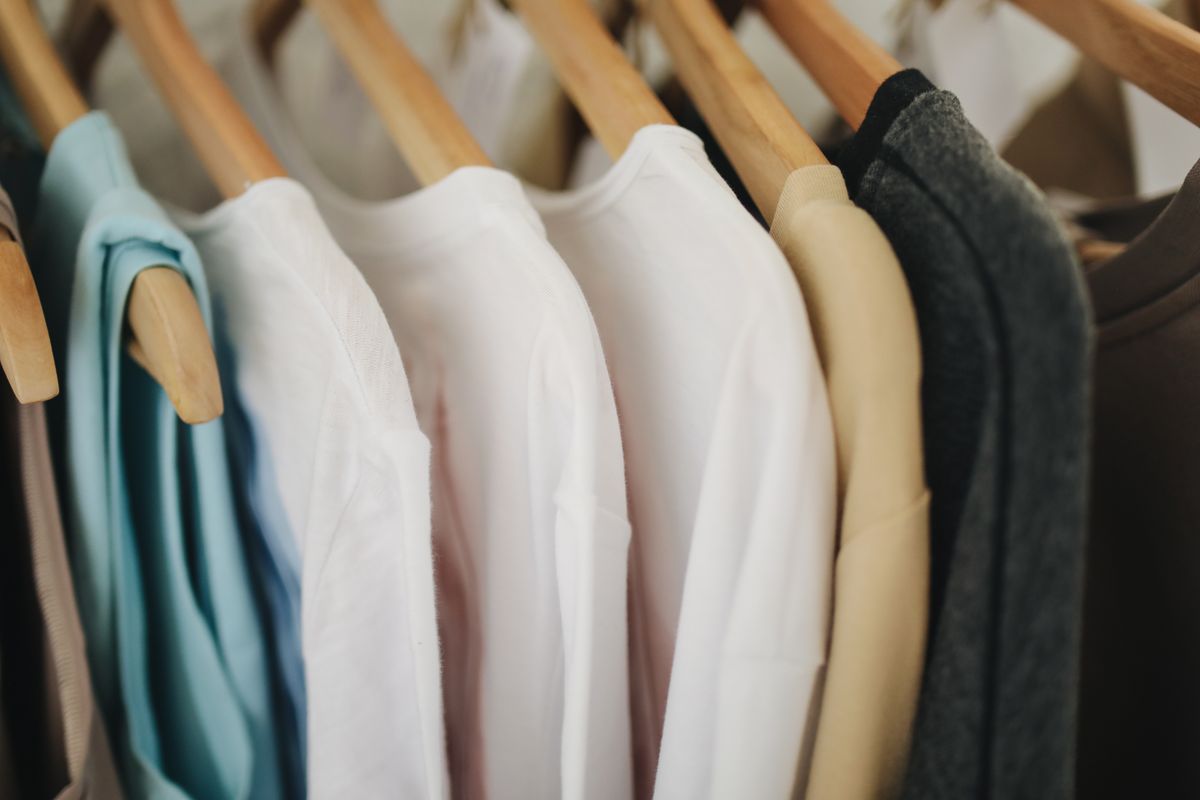
When a shopper is deciding between three nearly identical organic cotton tees from three different brands, the product photo — not the copy, not the price, not even the reviews — is usually what closes the sale. For plant-based lifestyle brands expanding into apparel, from activewear to graphic merch promoting a cruelty-free ethos, image quality has become the single largest lever for conversion rate, and most retailers are leaving significant revenue on the table by underinvesting in it.
Why Fashion Shoppers Convert (or Bounce) on Imagery Alone
Baymard Institute’s long-running e-commerce UX research consistently finds that inadequate product images are among the top three reasons shoppers abandon a purchase, and apparel is the category most sensitive to this. Unlike a blender or a water bottle, clothing has to be “tried on” mentally by the customer, and a flat lay or a mannequin shot simply doesn’t do that job. Brands that switched from ghost-mannequin photography to real-model imagery have reported conversion lifts in the 15-30% range, a figure echoed across multiple Shopify Plus case studies in the apparel space over the past two years.
For plant-based and wellness-adjacent apparel lines specifically, the stakes are even higher. Your customer is already primed to scrutinize labels, sourcing, and authenticity — so an image that looks stock, stiff, or obviously staged undermines the very trust your brand is trying to build.
The Real Cost of Traditional Product Photography
A single professional photoshoot with a model, photographer, stylist, and studio rental typically runs $1,500 to $5,000 per SKU set, and that’s before retouching. For a small plant-based apparel brand launching a seasonal capsule of 10-15 items, that cost can easily exceed $30,000 — an unworkable budget for most direct-to-consumer startups operating on thin wellness-category margins. This is precisely why AI-generated mockups have moved from novelty to necessity so quickly over the last 18 months.
Tools like PixelPanda’s free AI t-shirt mockup generator with real-looking models allow smaller brands to visualize a design on a lifelike model in seconds rather than weeks, without the studio overhead. For a brand selling, say, a “Plant-Based & Proud” graphic tee as part of a jumpstart challenge merch line, this means testing five different color variants and model demographics before committing a single dollar to inventory or a traditional shoot.
Practical Image Optimization Tactics That Actually Move Conversion
- Show fabric texture up close. Zoomed detail shots of organic cotton weave or bamboo fiber blends reduce return rates by helping customers set accurate expectations about weight and drape.
- Use diverse, realistic models. Data from apparel A/B tests shows that showing a garment on multiple body types rather than a single sample size increases add-to-cart rate by double digits, particularly in the 35-54 demographic that overindexes on plant-based lifestyle purchases.
- Include lifestyle context shots. A tee shown during a morning smoothie prep or a farmers-market trip performs better than a plain studio background because it reinforces the brand narrative, not just the garment.
- Optimize file size without sacrificing quality. Page load speed directly affects mobile conversion; images over 500KB on a product page can add nearly a full second to load time, which Google and multiple retail studies tie directly to cart abandonment.
- Standardize backgrounds across the catalog. Inconsistent staging between SKUs signals a disorganized or untrustworthy storefront, something particularly damaging for newer wellness brands still building credibility.
Where AI Mockups Fit Into a Broader Strategy
AI-generated imagery shouldn’t replace all photography — hero shots for flagship products still benefit from real photoshoots — but it’s an excellent tool for rapid prototyping, seasonal drops, and testing demand before manufacturing. Brands can generate multiple color and print variations, run them as ad creative to gauge interest, and only commit production budget to the designs that actually convert. This lean-testing approach has been covered in depth by Clever Fashion Media, which has tracked how emerging apparel labels are restructuring their entire go-to-market process around cheaper, faster visual testing cycles rather than upfront bulk photoshoots.
For plant-based brands in particular, this matters because merch and apparel are often secondary revenue lines to a core supplement, meal-plan, or subscription product. The margin for image production spend is thinner, and the tolerance for wasted photography budget is lower. Being able to visualize a “Day 1 of the Jumpstart” hoodie or a farmers-market tote before ordering a single unit changes the entire risk calculus of launching merch at all.
Measuring What Actually Works
Once new imagery is live, the work isn’t done. Track conversion rate by SKU and image variant, not just site-wide averages — a single underperforming hero image can quietly suppress an otherwise strong product for months. Heatmap tools showing where shoppers zoom or hover on product pages often reveal that customers are searching for details, like fabric composition or fit notes, that aren’t visible in the current photo set. Closing that gap with a better image is almost always cheaper than closing it with a discount.
Ultimately, the brands winning in plant-based apparel and wellness merch aren’t necessarily the ones with