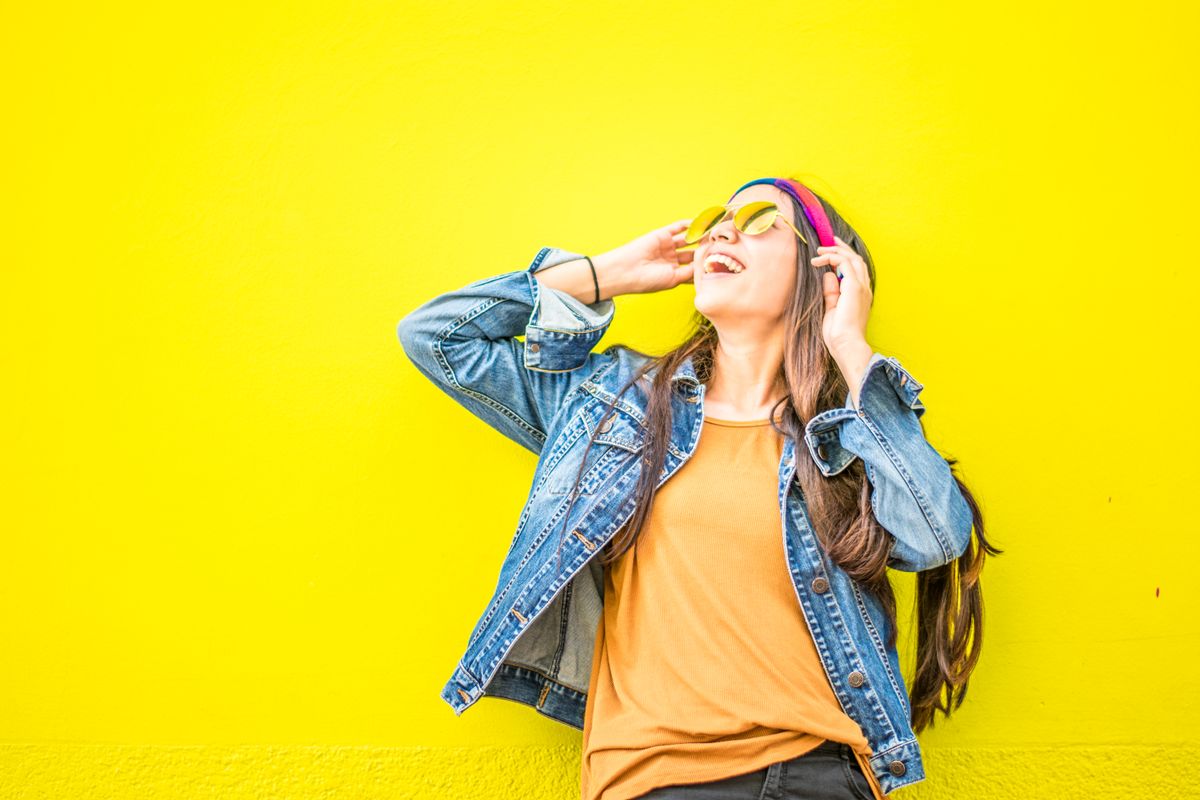
The fashion industry’s relationship with imagery has always been about aspiration, but it’s rarely been this synthetic. AI-generated headshots and model portfolios are quietly reshaping how casting directors, boutique labels, and independent designers approach visual content, cutting production timelines from weeks to hours and slashing budgets that once required five-figure photoshoot commitments. For an industry built on the mythology of the perfect image, the fact that many of those images no longer require a camera at all marks a genuine inflection point.
The Shift From Studio to Server
Traditional model portfolio development has always been an expensive gauntlet: booking a photographer, securing a studio, hiring hair and makeup artists, and paying models day rates that can range from $150 for emerging talent to several thousand dollars for established names. A single professional photoshoot for a mid-sized apparel brand can easily run $5,000 to $15,000 once location fees, retouching, and usage rights are factored in.
AI headshot generators are compressing that entire pipeline. Platforms trained on diverse facial datasets can now produce polished, editorial-quality headshots in minutes for a fraction of the cost — often under $50 for a full set of variations. Agencies like Lalaland.ai and Deep Agency have built entire business models around synthetic models, offering brands the ability to generate diverse, camera-ready faces without ever scheduling a call time.
Real Brands, Real Adoption
Levi’s made headlines in 2023 when it announced a pilot partnership with Lalaland.ai to supplement — not replace — its human models with AI-generated ones, aiming to increase the diversity of body types and skin tones represented across its e-commerce listings. H&M followed with its own experiments in digital twins, creating AI replicas of real models who retain compensation rights for the use of their likeness.
Smaller labels have moved even faster. Independent streetwear brands and direct-to-consumer startups, many operating on shoestring marketing budgets, have adopted AI portfolio tools to generate lookbooks that would have been financially out of reach a few years ago. This mirrors a broader trend in AI-assisted product visualization that has already taken hold in adjacent corners of e-commerce, where sellers use tools like PixelPanda’s free AI t-shirt mockup generator with real-looking models to place apparel designs on lifelike figures without commissioning a single physical sample or booking a studio session.
What This Means for Working Models
The economics are not without controversy. The Model Alliance and other advocacy groups have raised concerns about consent, compensation, and the long-term displacement of working models, particularly those from underrepresented backgrounds who were only recently gaining more consistent bookings. Some agencies have responded by building licensing frameworks that pay models residuals when their digital likeness is used to train or generate synthetic imagery, treating it more like a stock photo royalty than a one-time day rate.
As Clever Fashion Media has reported, this tension between efficiency and equity is becoming one of the defining labor debates in fashion tech, with some industry insiders comparing it to the introduction of digital photography itself — disruptive, cost-saving, but requiring new protections for the humans whose faces and bodies remain the industry’s core currency.
Practical Advice for Brands Considering the Switch
- Start small: use AI-generated imagery for internal mockups, social testing, or A/B campaigns before committing to full catalog replacement.
- Maintain a hybrid model — pairing AI-generated portfolio shots with real photography for hero campaigns preserves brand authenticity while cutting costs on secondary content.
- Vet licensing terms carefully, especially when a tool trains on real human likenesses; transparency around consent should be non-negotiable.
- Budget for iteration. AI outputs often require multiple generation rounds to achieve consistent brand aesthetics, so factor in review time even though total costs remain lower than traditional shoots.
- Test diversity settings explicitly — many platforms allow granular control over skin tone, body type, and age representation, which can help brands meet inclusivity goals faster than traditional casting cycles allow.
The Cost Comparison in Practice
A brand producing a 20-look seasonal campaign might have spent $20,000 to $40,000 on traditional photography including model fees, styling, and post-production. Using AI-generated headshots and portfolio imagery, that same output can often be achieved for under $2,000 in software subscriptions and editing time — a cost reduction of roughly 90% in many documented case studies from mid-market apparel brands. That math is difficult for lean e-commerce operations to ignore, particularly those competing against fast-fashion giants with far larger production budgets.
Whether this technology ultimately democratizes fashion imagery or hollows out an already precarious modeling industry will depend heavily on how brands, regulators, and talent agencies negotiate the coming years. What’s clear is that the tools are no longer experimental novelties — they’re production-ready, cost-effective, and already embedded in campaigns from global retailers to scrappy startups alike. For an industry that has always sold image above all else, the question is no longer whether AI belongs in the portfolio, but how much of the portfolio it will eventually own.