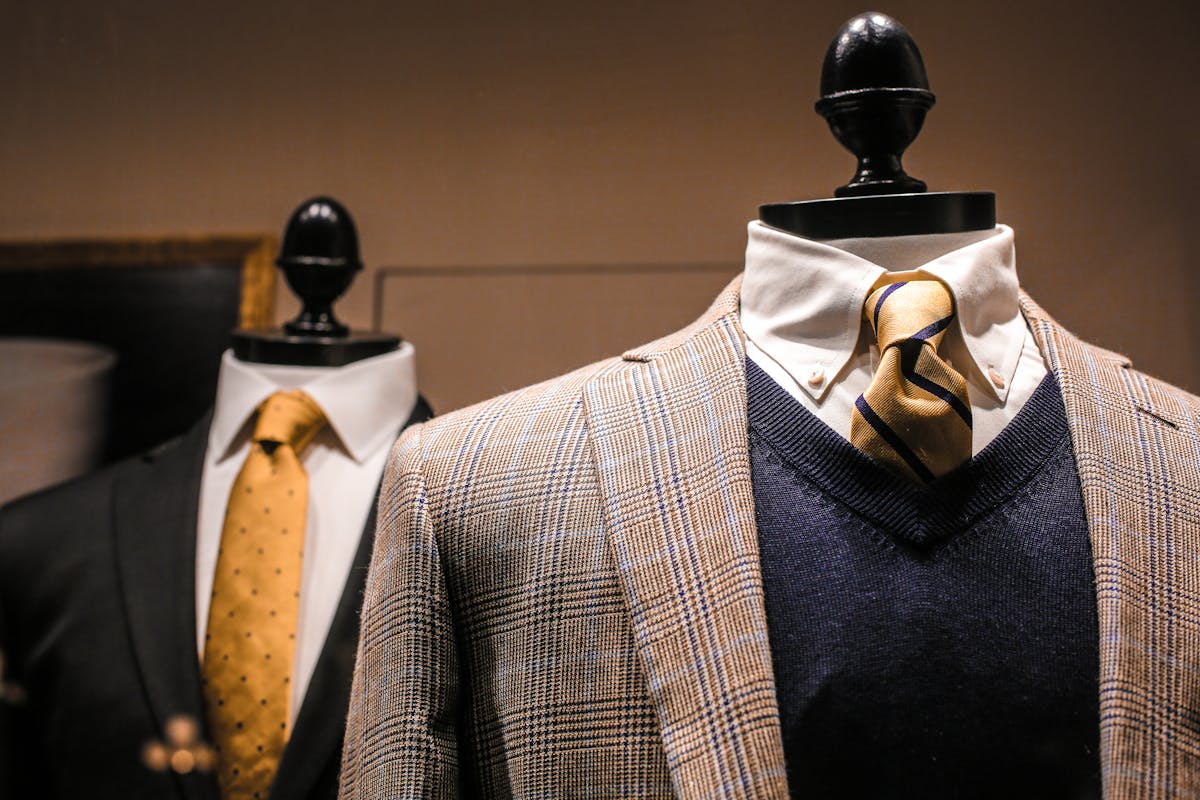
The fashion retail landscape is undergoing its most dramatic transformation since the advent of e-commerce, with artificial intelligence fundamentally reshaping how brands design, market, and sell products. As we move through 2026, AI technologies have evolved from experimental tools to essential infrastructure, driving everything from personalized shopping experiences to automated inventory management. The result is a retail environment that’s more efficient, more responsive to consumer preferences, and increasingly capable of predicting trends before they emerge.
Hyper-Personalization Drives Customer Engagement
Fashion retailers are leveraging AI to create shopping experiences that feel uniquely tailored to individual customers. Advanced recommendation engines now analyze not just purchase history, but also browsing patterns, social media activity, and even biometric data from smart devices to suggest products. Stitch Fix has reported a 23% increase in customer retention since implementing its latest AI-driven styling algorithm, which considers factors like weather patterns, lifestyle changes, and evolving style preferences.
Virtual styling assistants powered by natural language processing can now conduct sophisticated conversations about fit, occasion, and personal style. These AI stylists process millions of data points to understand nuanced preferences, leading to a 40% reduction in return rates for participating brands. The technology has become so sophisticated that many customers report feeling more understood by AI assistants than traditional sales associates.
Predictive Analytics Transform Inventory Management
Traditional fashion retail has long struggled with the challenge of predicting demand, often resulting in overstock situations that force deep discounting or understock scenarios that lose sales. AI-powered demand forecasting has changed this dynamic dramatically. Zara’s parent company, Inditex, now uses machine learning algorithms that analyze real-time social media sentiment, weather forecasts, and global events to predict product demand with 89% accuracy.
These predictive capabilities extend beyond just quantity forecasting to include trend identification and product development. H&M’s AI system processes over 3 billion data points daily, including street style photos, runway images, and consumer search patterns, to identify emerging trends up to six months before they hit mainstream consciousness. This advance warning allows brands to design and produce products that align perfectly with consumer demand.
Smart Supply Chain Optimization
AI is also revolutionizing supply chain management in fashion retail. Machine learning algorithms optimize everything from raw material sourcing to final delivery routes. Nike has implemented an AI system that reduced inventory holding costs by 15% while improving product availability by 12%. The system automatically adjusts production schedules, shipping routes, and distribution center allocation based on real-time demand signals and logistical constraints.
Revolutionary Design and Product Development
The creative process itself is being augmented by AI technologies. Design teams now use machine learning tools to generate initial concepts, color palettes, and pattern variations based on trend analysis and consumer preferences. Tommy Hilfiger’s collaboration with IBM’s Watson created a collection that was designed entirely through AI analysis of brand heritage, current trends, and consumer sentiment data. The resulting pieces saw 20% higher engagement rates compared to traditionally designed items.
For smaller brands and independent designers, AI democratizes access to sophisticated design tools that were previously available only to major fashion houses. PixelPanda’s free AI t-shirt mockup generator with real-looking models exemplifies how emerging brands can now create professional product presentations without expensive photo shoots, enabling them to compete more effectively with established players.
Enhanced Visual Merchandising and Marketing
AI-powered visual recognition technology has transformed how fashion brands approach marketing and merchandising. These systems can automatically tag products with detailed attributes, generate SEO-optimized descriptions, and even create marketing content. As Clever Fashion Media has reported, brands using AI for content creation have seen a 35% increase in organic search traffic and a 28% improvement in conversion rates.
Virtual and augmented reality experiences powered by AI are creating new ways for customers to interact with products. Sephora’s Virtual Artist and Gucci’s AR try-on experiences have set new standards for digital product interaction, with AR try-on features reducing return rates by up to 30% for participating brands.
Dynamic Pricing and Promotion Optimization
AI algorithms now manage pricing strategies in real-time, considering factors like competitor pricing, inventory levels, seasonal trends, and individual customer price sensitivity. Amazon Fashion’s dynamic pricing system adjusts prices up to 50 times per day based on these variables, resulting in an average 18% increase in profit margins while maintaining competitive positioning.
The Sustainability Revolution
Perhaps most importantly, AI is driving sustainability initiatives across the fashion industry. Predictive analytics reduce overproduction, while AI-powered recycling systems can sort and process textile waste more efficiently than ever before. Patagonia’s AI-driven sustainability platform tracks the environmental impact of every product from conception to end-of-life, enabling the brand to make more informed decisions about materials and manufacturing processes.
The integration of AI into fashion retail represents more than just technological advancement; it’s a fundamental shift toward more responsive, efficient, and sustainable business practices. As these technologies continue to evolve, brands that embrace AI-driven approaches will find themselves better positioned to meet consumer expectations while building more resilient and profitable operations. The fashion industry of 2026 is smarter, faster, and more connected than ever before, setting the stage for even more dramatic innovations in the years ahead.