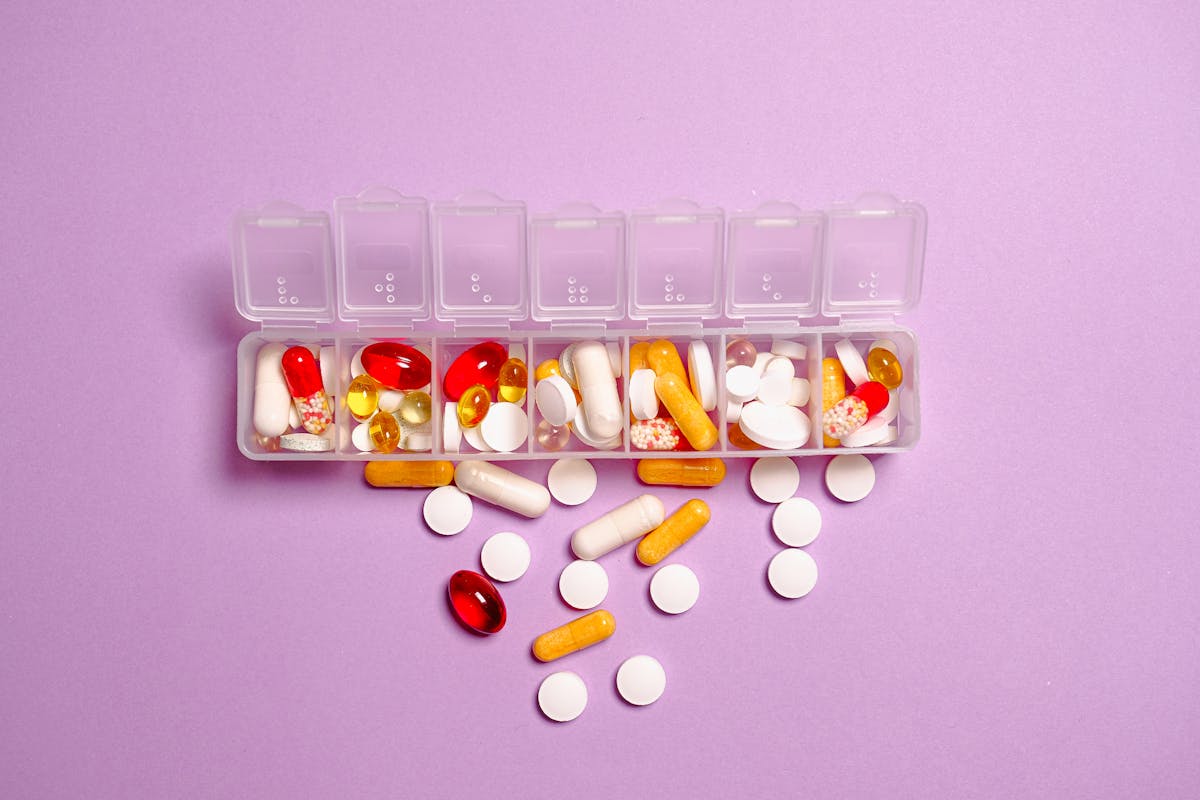
The Intersection of Regulation and Technology
The FDA does not regulate product photography per se, but it regulates the claims and representations that wellness brands make through any medium — including images. As AI product photography tools become standard for supplement, skincare, and wellness brands, a new set of compliance questions has emerged: Can you use AI-generated images to represent real products? What are the risks? And how do you stay on the right side of FDA regulations while leveraging AI to reduce costs?
The answers are more nuanced than most marketing blogs suggest.
What the FDA Actually Regulates in Product Imagery
The FDA’s regulatory framework for wellness product marketing centers on two principles: products must not be misbranded, and marketing must not be misleading. In the context of product photography, this translates to several practical requirements:
Label Accuracy
Any image that shows your product label — whether on your website, Amazon listing, or advertising — must accurately represent the physical label on the product consumers receive. This means:
- The Supplement Facts panel must match the actual product exactly
- Health claims shown on the label in photographs must reflect what is printed on the physical product
- Product names, ingredient lists, and net quantity statements must be accurate
- You cannot digitally add claims to a label that do not exist on the physical product
Product Representation
The product shown in your images must accurately represent what the consumer receives. Key areas of concern:
- Color accuracy: If your capsules are beige, your images should not show them as pure white. Color correction is fine; color fabrication is not
- Size representation: Images should not make a product appear larger or smaller than it actually is without clear size references
- Contents representation: The quantity of pills, capsules, or powder in product images should reflect the actual product quantity
Claims in Visual Context
This is where many brands get into trouble. FDA evaluates the overall impression of your marketing, including the visual context of product images:
- Placing a supplement next to a stethoscope or medical equipment could imply a drug claim
- Before/after images suggesting your product treats a medical condition constitute disease claims
- Imagery that implies clinical validation (lab coats, clinical settings, medical charts) without actual clinical evidence is misleading
How AI Photography Introduces New Compliance Considerations
AI product photography tools create images from prompts and reference photos, which introduces compliance wrinkles that do not exist with traditional studio photography:
The Accuracy Question
When AI generates a product image based on a reference photo, subtle changes can occur:
- Label text alteration: AI sometimes modifies or blurs text on labels. This is a significant compliance risk if the altered text creates misleading impressions or removes required disclaimers
- Color shifts: AI processing can slightly alter product colors, particularly on bottle caps, labels, or the product itself
- Proportion changes: AI may subtly alter the proportions of your product — making a bottle appear taller, a label larger, or a cap different from the physical product
The mitigation is straightforward: always compare AI-generated images against your physical product before publishing. Zoom in on labels to verify text accuracy. Check dimensions and proportions. Verify colors against a calibrated reference.
Generated Scene Compliance
AI tools excel at placing products in lifestyle scenes. For wellness brands, the scene itself can create compliance issues:
- Medical settings: AI can easily generate your supplement in a doctor’s office or clinical environment. This could constitute an implied drug claim
- Health transformation imagery: Scenes suggesting weight loss, muscle gain, or health transformation must be handled carefully to avoid implied disease claims
- Food/beverage pairing: Showing supplements alongside specific foods could imply nutritional claims that require substantiation
Platform-Specific Compliance Requirements
Beyond FDA regulations, each sales and advertising platform has its own compliance rules for health product imagery:
Amazon
- Main image must show the actual product as the customer will receive it
- No lifestyle images, text overlays, or graphics on the main image
- Supplement Facts panel must be clearly legible in at least one image
- No before/after images in the health and personal care category
Facebook and Instagram Ads
- No before/after images implying health transformations
- No images that could create a negative self-perception
- Health and wellness products face additional ad review and can be disapproved for imagery that implies guaranteed results
Google Shopping
- Product images must accurately represent the product being sold
- No promotional text, watermarks, or borders on product images
- Misleading images can result in account suspension
Best Practices for Compliant AI Product Photography
Based on current FDA guidance and platform policies, here is a practical compliance framework for using AI photography tools with wellness products:
1. Always Start with a Clean Reference Photo
Take a high-resolution photo of your actual product with the current label clearly visible. This becomes your source of truth for verifying AI-generated outputs.
For wellness brands competing in crowded search results, Autorank provides AI-generated blog content tailored to your niche — helping you rank for the health and wellness keywords your customers are searching for.
2. Review Every Label in Every Generated Image
Before publishing any AI-generated image, zoom in to 200% on any visible label text. Verify that:
- Product name is accurate and spelled correctly
- No health claims have been added or altered
- Required disclaimers are present and legible
- The Supplement Facts panel (if visible) matches the physical product
3. Maintain a Compliant Scene Library
Pre-approve a set of background scenes that do not create compliance issues. Safe choices include:
- Neutral surfaces (marble, wood, stone) — convey quality without health claims
- Kitchen or pantry settings — appropriate for consumable wellness products
- Bathroom vanity settings — appropriate for skincare and personal care
- Nature/botanical settings — reinforce natural and organic positioning
Avoid: medical offices, clinical settings, hospital environments, gym equipment (if your product does not have substantiated fitness claims).
4. Document Your Compliance Process
Keep records of your image review process. If the FDA or a platform questions your imagery, you want to demonstrate that you have a systematic approach to verifying accuracy and compliance.
5. Get Legal Review for New Campaigns
If you are launching a major ad campaign or entering a new platform, have a regulatory attorney review your imagery. This is especially important for supplements with health claims that approach the line between structure/function claims and disease claims.
Building community on social media is essential for wellness brands. ShipPost uses AI to monitor relevant conversations on Twitter/X and draft engagement-ready replies that sound like you.
The Practical Reality
Despite these compliance considerations, AI product photography is not inherently riskier than traditional photography from a regulatory standpoint. Both require accurate product representation. Both can be used to make misleading claims. The difference is volume — AI tools generate images faster, which means more images to review but also more opportunities to create compliant content quickly.
The wellness brands that navigate this well treat compliance as a built-in step in their image production workflow rather than an afterthought. Generate images, review against your physical product and compliance checklist, then publish. It adds minutes to the process but prevents problems that could cost thousands in regulatory responses or platform bans.
As AI tools continue to improve accuracy and labels become more reliably preserved during generation, these compliance concerns will diminish. But for now, the human review step remains non-negotiable for any wellness brand that takes regulatory compliance seriously.